
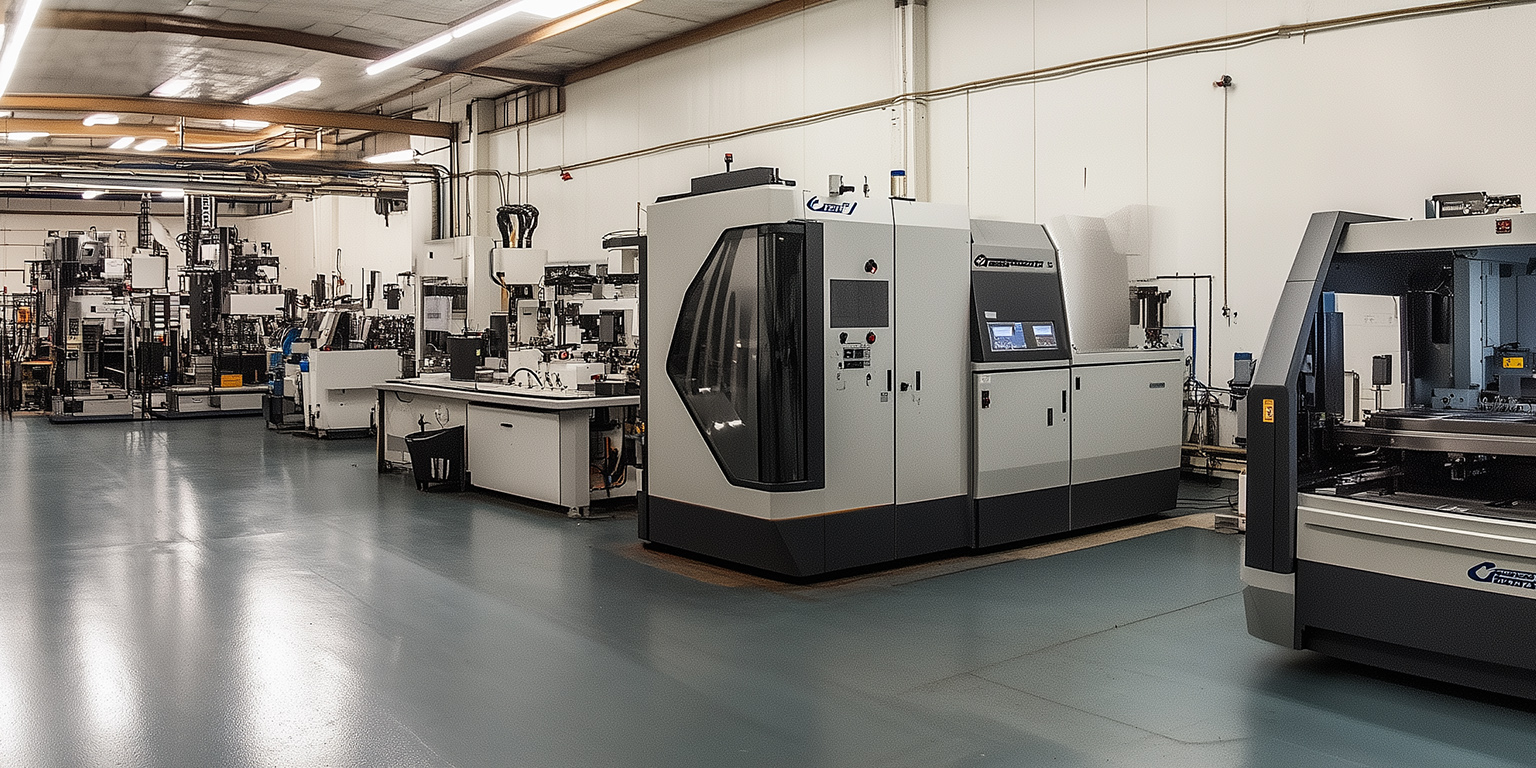
A seasoned machinist, like a sculptor, doesn’t just see metal in a raw workpiece; he sees motion. He hears the rhythm of a spindle before it even turns on. In one corner of the shop, a block of material waits to be carved, shaped from the outside in. In another, a round bar spins with purpose, the cutting tool peeling material away in smooth, controlled passes. These are not just different machines; they are different mindsets.
CNC milling and CNC turning represent two distinct approaches to precision material removal. The different machine operations influence everything from part design to production speed. A machinist who understands both methods chooses the right path before the first chip ever falls.
CNC Milling: Versatility Through Motion

CNC milling moves a rotating cutting tool across a stationary workpiece. This multi-axis movement allows machinists to create complex geometries, intricate features, and tight tolerances across a wide range of materials.
A CNC mill operates best when parts require pockets, slots, contours, or detailed surface features. Components such as housings, brackets, and molds often demand the flexibility that milling provides. The process can reach multiple faces of a part in a single setup with 3-axis, 4-axis, and 5-axis capabilities, reducing handling and improving precision.
However, that versatility comes with tradeoffs. Milling can be slower for high-volume production of simple shapes, and setup complexity tends to increase as part geometry becomes more intricate.
CNC Turning: Efficiency Through Rotation
CNC turning takes the opposite approach. The workpiece rotates while a stationary cutting tool removes material. This machining process makes turning ideal for producing cylindrical or round components with exceptional concentricity.
Shafts, bushings, pins, and threaded parts are classic examples where CNC turning excels. The process is highly efficient for these geometries, often delivering faster cycle times and better surface finishes on round features compared to milling.
Turning is also well-suited for repetition. Once dialed in, it can produce large volumes of consistent parts with minimal variation. The limitation: turning is not designed for complex, non-rotational geometries without secondary operations.
Considerations to Drive Decision-Making
A key consideration is setup and fixturing. Milling often requires more involved workholding solutions to secure parts in multiple orientations, whereas turning typically relies on chucks or collets that automatically center the workpiece. Ultimately, the choice is not milling versus turning at Nolte Precise Machining. Depending on the part, both processes may be employed. Complex components may be started on a lathe to establish critical diameters, then moved to a mill for secondary features. In other cases, multi-tasking machines combine milling and turning capabilities into a single platform, reducing setups and improving throughput. This integration allows us to take advantage of the strengths of each process while minimizing their limitations.
At the end of the day, the difference between CNC milling and CNC turning comes down to how we think about the cut. Some jobs call for patience and flexibility, where the tool must move with intention across multiple surfaces to bring a part to life. Others demand speed and rhythm, where consistency is king and every rotation produces another identical result.
The best machinists know that neither process is better. They are simply tools in a larger strategy. Like choosing between a scalpel and a drawknife, the decision is not about preference, but purpose. When the right method meets the right application, the result is more than a finished part. It is a process that runs smoother, produces better quality, and stands up to the demands of real-world production.
Learn more about Nolte Precise Manufacturing’s capabilities today.