

There are several core principles to keep in mind when machining metal components for motion control systems. These machined parts directly determine the precision, reliability, and long-term performance of the equipment they support. Linear actuators, robotics assemblies, servo mechanisms, and automated positioning systems all rely on metal parts to deliver accuracy under demanding conditions. Careful material selection, strong process control, and purposeful quality assurance all play essential roles in achieving successful outcomes.
Manufacturing Quality Parts for Motion Control Systems
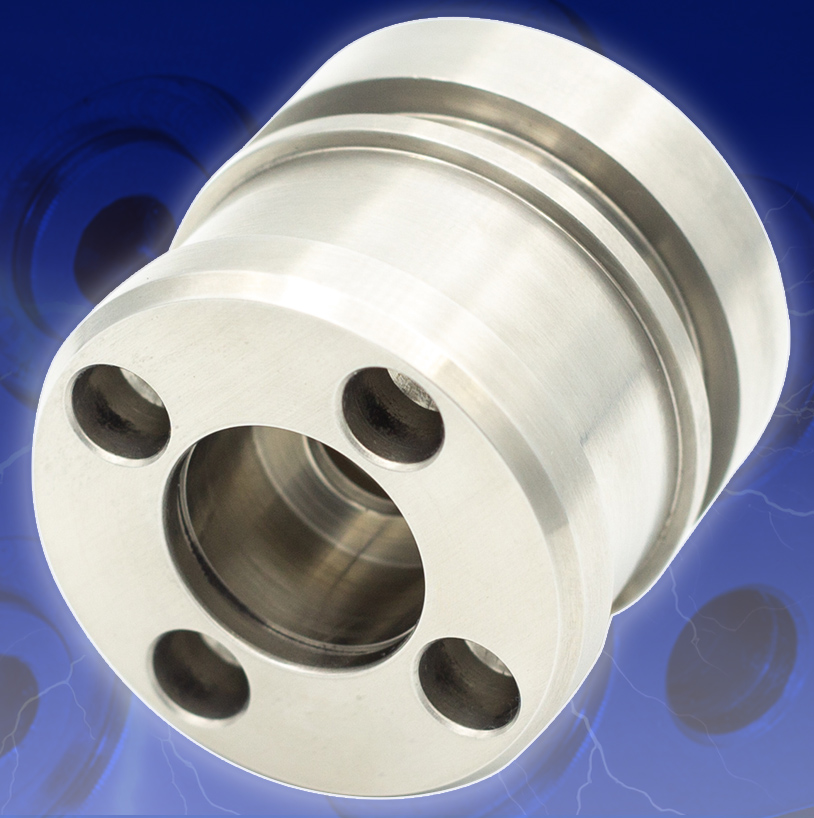
Metal components Core Principles
A manufacturer selects materials that match the motion system’s mechanical load, speed, and environmental requirements. Hardened steels may provide the durability for high-load or impact-prone applications, while aluminum alloys may deliver the weight reduction needed for rapid acceleration. Stainless steels or specialized coatings protect against corrosion when the system operates in harsh environments. Understanding the stress, wear, and temperature conditions guides these decisions.
Geometric accuracy and tight tolerances are also priorities for manufacturers. Motion control assemblies rely on repeatability, and even minor deviations in roundness, flatness, or parallelism can introduce vibration or misalignment. Machining processes must use stable fixturing, balanced tooling, and proper cutting parameters to maintain tolerance integrity throughout production runs. Surface finish quality is equally important. Smooth surfaces reduce friction, minimize noise, and allow bearings, slides, or couplings to move consistently without extra resistance.
Process consistency serves as another key focus. Process controls maintain tool condition, spindle performance, cutting fluid quality, and thermal stability. Tool-wear monitoring and scheduled tool changes prevent gradual drift in dimensions. Consistent cooling and chip evacuation prevent heat buildup that potentially distorts parts or alters material properties.
Quality assurance rounds out the core considerations. Verification of critical dimensions with calibrated inspection equipment is vital. Statistical process control identifies trends before they turn into defects. Documentation and traceability ensure parts meet the specific motion-control design intent.
Finally, manufacturability remains part of the discussion. Collaboration with the manufacturer’s engineers early in the process simplifies geometries, reduces secondary operations, and lowers production costs without sacrificing performance. Small adjustments often improve precision, shorten lead times, and reduce long-term maintenance needs.
When manufacturers keep these principles in mind, their machine shop produces metal components supporting smooth, reliable, and highly accurate motion control systems. These components ultimately drive performance across automation, robotics, and advanced machinery industries.
Quality Motion Control Metal Parts Machining
In short, quality isn’t an abstract concept—it’s a disciplined process grounded in measurement, documentation, and continuous improvement. When every dimension, process, and inspection aligns with the standard, quality becomes more than a word. It becomes the foundation of trust between a machine shop and its customers..
Contact Nolte Precise Manufacturing with any questions about these points.